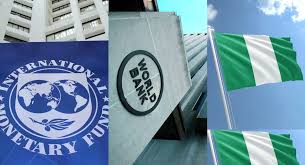
Nigeria is once again at the negotiating table with the International Monetary Fund (IMF) and the World Bank, seeking loans that could inject much-needed funds into the economy. But while the discussions are welcomed by some as a potential lifeline, they also raise pressing questions about transparency and accountability.
In recent years, Nigeria’s debt has been steadily rising, and many experts warn that without careful management, these loans could become a heavy burden on future generations. Citizens are increasingly asking: Who decides the terms? How will the funds be spent? And, crucially, how will the public be kept informed?
The government has a responsibility to ensure that these talks are not conducted behind closed doors. Transparency is not just about publishing figures—it’s about fostering trust, inviting scrutiny, and demonstrating that every naira borrowed will be used wisely. History has shown that when transparency is lacking, loans meant for development can end up fueling inefficiency, corruption, or mismanagement.
At the same time, it is important to recognise the positive side. Loans from the IMF and World Bank can support infrastructure, health, education, and other vital sectors. But the benefits can only be realised if there is proper oversight and clear communication with the public.
Nigerians are tired of being left in the dark while decisions that affect the nation’s financial future are made behind closed doors. The time has come for leaders to engage citizens openly, explaining the rationale, the risks, and the expected gains of these loans. True progress will come when borrowing is paired with accountability.
In the end, transparency is not a luxury—it is a necessity. Without it, even the most well-intentioned loans risk becoming a source of controversy and mistrust. With it, Nigeria can borrow responsibly, invest wisely, and set a course for sustainable growth.