Nigeria is no stranger to the growing challenges of climate change. From floods in the north to rising sea levels in the south, the impacts are visible, personal, and urgent. But while the headlines often highlight the problems, less attention is given to Nigeria’s role in international climate agreements and renewable energy partnerships—a story that deserves to be told.
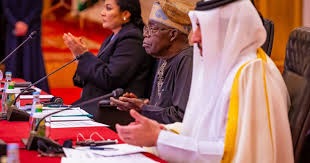
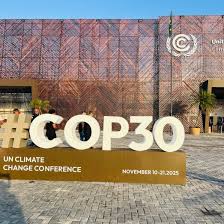
In recent years, Nigeria has stepped onto the global stage with determination. The country is a signatory to the Paris Agreement, committing to reduce greenhouse gas emissions and promote sustainable development. Beyond the paper promises, Nigeria has also joined forces with international partners to explore renewable energy solutions. Solar, wind, and hydro projects are now appearing across the nation, driven partly by collaboration with countries like China, Germany, and the United States. These partnerships are not just about funding—they bring technology, expertise, and hope for a cleaner, more resilient future.
Yet, the path is not without hurdles. Funding gaps, infrastructural challenges, and policy inconsistencies continue to slow progress. Many renewable projects struggle to move from pilot phase to full-scale operation, leaving communities frustrated and eager for change. International climate deals, while critical, cannot succeed without strong domestic follow-through. Nigeria’s success will depend on translating global commitments into local action—powering homes with clean energy, protecting vulnerable communities, and creating green jobs for young people.
There is reason for cautious optimism. Recent initiatives, such as the scaling up of solar mini-grids in northern states and investment in cleaner transport options, signal that Nigeria is ready to play its part. These efforts demonstrate that climate action is not just an environmental necessity but an economic opportunity. Renewable energy can provide affordable power, reduce reliance on fossil fuels, and position Nigeria as a leader in Africa’s green transition.
Ultimately, Nigeria’s engagement in international climate agreements is about more than signing documents. It’s about proving that a nation with vast natural resources, a growing population, and pressing development needs can contribute meaningfully to the global fight against climate change. The world is watching—and so are Nigerians themselves. The question now is whether Nigeria can turn words into action, promises into measurable results, and partnerships into lasting impact.
Climate deals are no longer optional—they are a responsibility. Nigeria has the talent, the ambition, and the global connections to rise to the occasion. The challenge is ensuring that climate commitments at the international level translate into tangible benefits at the local level. For a country already feeling the effects of a warming planet, the time to act is not tomorrow—it is now.