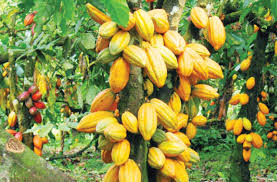
The European Union has introduced a new deforestation law, and it is already causing worry among Nigerian farmers and exporters. The law demands strict proof that agricultural products such as cocoa, rubber, coffee and palm oil do not come from areas linked to forest destruction.
For big companies, meeting these requirements may be easy. But for many small farmers in Nigeria, it is a different story. They fear that the extra paperwork, digital tracking and land-use documentation will increase their costs and slow down their business. Most rural farmers still operate manually, and gathering all the records the EU wants may be challenging.
Nigeria has long relied on cocoa and other cash crops to earn foreign exchange. But with these new rules, exporters may struggle to access the European market if they cannot prove the exact source of their goods. Some experts say the government needs to step in quickly with support—such as training, mapping farmlands, and helping farmers meet the new standards.
If nothing is done, Nigeria risks losing a major market. But with the right guidance and investment, the country can still adjust and keep its agricultural exports flowing to Europe. The coming months will show whether Nigeria is ready to meet Europe’s tougher rules or whether small farmers will be left behind.
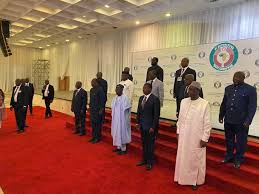
After Mali, Niger and Burkina Faso withdrew from ECOWAS, Nigeria is leading diplomatic efforts to stabilise the bloc. Key priorities include restoring trade routes, resolving border tensions and strengthening regional defence.