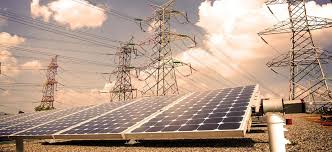
The renewed push by the European Union to support Nigeria’s green energy sector is a welcome development. More funding is now being directed toward solar mini-grids and rural electrification — two areas that can genuinely change lives, especially in communities that have spent decades in the dark.
But as the money comes in, one issue keeps coming up: fair distribution. Stakeholders across the country are saying the same thing — projects must reflect real community needs, not political connections or guesswork. Some villages still rely on kerosene lamps, while others get repeated pilot projects that never reach full capacity. This imbalance weakens trust and slows down progress.
The truth is simple. Renewable energy works best when it is planned with the people, not just for them. Local leaders, rural women, small business owners, and youths need to be part of the conversation. They know where power is needed most — for water pumps, clinics, cold storage, and small workshops.
The EU’s financial commitment is a big opportunity for Nigeria. But the real success will depend on transparency, proper monitoring, and honest engagement with communities. If done right, this partnership can light up rural Nigeria, boost local economies, and prove that clean energy is not just a global agenda — it is a practical solution for everyday Nigerians.
The time to get it right is now.