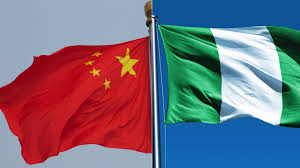
Nigeria and China appear ready to open a new chapter in their long-running partnership, especially in the area Nigerians care about most — infrastructure. As the Nigerian government moves toward its 2025 development goals, China is again positioning itself as a major supporter. This renewed interest is already stirring discussions in Abuja about transport, power and manufacturing projects that could shape the country’s economic direction next year.
For many Nigerians, the question has always been simple: Will these partnerships finally translate into better roads, reliable electricity and stronger industries? Government officials say this new round of talks with China is focused on exactly that — speeding up project delivery and reducing the long delays that have become a familiar frustration on major national corridors.
Rail expansion is expected to take centre stage. Nigeria’s rail network has moved slowly despite heavy investment, but current negotiations could push for quicker timelines and improved funding models. The goal, according to officials close to the talks, is to break the cycle of stalled projects and bring trains back as a dependable option for Nigerians and businesses.
Power supply is another major point. China has been involved in several energy projects across the country, and fresh agreements may lead to upgrades that could reduce downtime. With manufacturing zones also on the table, both countries seem aligned on boosting Nigeria’s capacity to produce and export — a long-term ambition for multiple administrations.
What is clear is that Nigeria wants results, not promises. And China, facing its own global economic recalibrations, appears eager to maintain its influence in Africa by backing projects that show real impact.
As 2025 approaches, Nigerians will be watching closely. If these negotiations finally deliver smoother transport, more stable power and stronger industries, the partnership could mark a turning point. But if delays continue, the conversation about the true value of Nigeria–China cooperation will likely grow louder.
For now, the door is open — and both sides say they are ready to move.