As global tensions rise, Brussels and Africa prepare for a high-stakes meeting with consequences for trade, security, migration and Nigeria’s economic future.
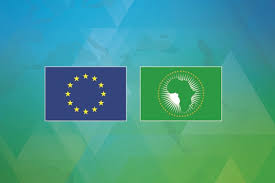
The European Union and the African Union will meet in Luanda, Angola from November 24-25, 2025 for what officials describe as one of the most momentous EU–Africa summits in years. Although the two blocs meet periodically, this seventh summit comes at a moment of intense geopolitical uncertainty and growing urgency on both sides of the Mediterranean.
In a detailed press briefing ahead of the gathering, held on Wednesday via Zoom, senior EU officials laid out the contours of a relationship that has evolved from development assistance into a great political and economic partnership.
Today, the EU is Africa’s largest trading partner, its biggest investor, its most significant donor on peace and security, and a major driver of infrastructure, education and renewable-energy programmes across the continent. In 2023 alone, African trade with the EU reached well over €360 billion, and EU foreign direct investment outpaced that of China by a factor of six.
For Africa and Nigeria in particular, this summit could shape the next decade of engagement with Europe.
Why This Summit Matters
The 2022 summit in Brussels produced ambitious commitments on energy, infrastructure, trade, education and digital transition. Majority conversation at the summit will be to take stock of progress made, while setting new priorities through a joint declaration currently being negotiated.
The agenda is wide-ranging but unified by a central theme: rebuilding global cooperation at a time when the rules-based international order is under pressure. African and European officials share the view that neither side can tackle its biggest challenges alone, from conflict and climate change to migration, debt vulnerability, food insecurity and youth unemployment.
The summit is also expected to reinforce ongoing work on UN reform, the Pact for the Future, climate financing and the G20 agenda — areas in which African countries are increasingly asserting a collective voice.
A Strategic Partnership Built Over 25 Years
Over the past quarter century, EU–Africa cooperation has deepened far beyond its development-aid origins. Today the partnership covers:
• Trade and investment: One-third of all African trade is with Europe. The EU remains the continent’s number-one investor. Ongoing programmes support the African Continental Free Trade Area (AfCFTA) through industrialisation drives, logistics investment and trade-facilitation projects.
• Peace and security: The EU finances and supports African peace missions and deploys its own missions across hotspots where security crises threaten regional stability. Around €1 billion is channelled through the European Peace Facility, with thousands of European personnel supporting African-led efforts.
• Education and mobility: More than 30,000 African students and 18,000 Europeans have participated in academic exchanges since 2022. Migration discussions at the summit will centre not only on border management but also on legal pathways, protection, reintegration and harnessing mobility for development.
• Infrastructure and climate resilience: Under the Global Gateway strategy, Europe committed €150 billion for African infrastructure by 2027 and is reportedly on track to exceed that target. Investment in transport corridors, digital innovation bridges, renewable energy and health manufacturing — including vaccine facilities in Rwanda and Senegal — are already underway.
• Critical raw materials and industrialisation: New agreements with Namibia, Zambia, Zimbabwe and others aim to move Africa beyond extraction by developing entire value chains on the continent.
Why Nigeria Has High Stakes in This Summit
Nigeria stands to gain significantly from a strengthened EU–Africa partnership:
1. Expanded trade and industrial diversification
Europe remains one of Nigeria’s largest trading partners. The AfCFTA-support programmes funded by the EU could help Nigeria improve its export competitiveness, modernise customs processes and attract higher-quality foreign investment.
2. Energy transition and infrastructure financing
With Nigeria’s power deficit and renewable-energy ambitions, EU-backed initiatives, including the Africa–Europe Green Energy Initiative offer pathways to stable financing, technology transfer and partnerships for off-grid solutions and grid expansion.
3. Support for Nigeria’s security architecture
The EU remains a critical partner in counterterrorism, maritime security and policing reforms. Enhanced cooperation could bolster Nigeria’s response to insurgency, banditry and organised crime, all of which carry regional implications.
4. Opportunities for Nigeria’s young entrepreneurs
Upcoming EU programmes aimed at youth-led businesses will prioritise access to concessional finance, mentorship and digital innovation. With Nigeria’s booming tech and creative sectors, this represents a major opening.
5. Migration governance based on reality, not crisis
Nigeria is at the centre of West African migration routes. A cooperative framework that addresses legal pathways, skills mobility and reintegration could help reduce irregular migration pressures while creating opportunities for young Nigerians seeking work or study abroad.
Regional Benefits Across Africa
The 2024 summit is expected to outline new commitments to:
• deepening African regional integration under AfCFTA
• accelerating digital transformation
• expanding renewable energy to reach 100 million new users
• improving food security and climate adaptation
• supporting health sovereignty through vaccine and pharmaceutical production
• strengthening African-led peacekeeping operations
For West Africa in particular, where coups, insecurity and economic uncertainty have strained governance structures, a clear EU commitment to stability and growth will carry significant weight.
A Summit Framed by Realism and Opportunity
Unlike previous gatherings often dominated by rhetoric, officials say the. 2025 Kigali summit aims to be a working meeting anchored in deliverables. A monitoring report will outline what has been achieved since 2022, followed by proposals for the next cycle of cooperation.
European leaders insist the partnership is now more balanced, less paternalistic and anchored in mutual interests. African leaders are pushing for respect, investment that builds value at home, and global governance reforms that recognise the continent’s demographic and strategic weight.
For both sides, the stakes are unusually high. Africa’s population is expected to double by 2050, with Nigeria alone forecast to become the world’s third-largest country. Europe, meanwhile, is navigating economic competition, energy insecurity, and war on its eastern border.
A strengthened EU–Africa partnership could help both navigate a turbulent global landscape.
As officials prepare to gather in Rwanda, expectations are growing that this summit will not merely renew old commitments, but chart a shared future in which both continents can prosper, not as donor and recipient, but as equal partners facing a common world.